The Art of Cannabis Baked Goods: From Brownies to Cookies and Beyond
Why Cannabis Baked Goods Deserve a Second Look
I remember my first time with a cannabis brownie. It was in a friend's apartment in Colorado, right after legal cannabis hit the shelves. We split a single brownie, and an hour later I was convinced my couch had swallowed me whole. That experience taught me something important: cannabis baked goods are not a beginner's game. They require patience, precision, and a bit of science to get right. Over the years, I have watched this corner of the edible market grow from a few homemade recipes into a full-blown category with its own connoisseurs. At sites like Kush Station, you can find everything from classic brownies to infused cookies, each promising a different ride.
The appeal is obvious. Baked goods mask the earthy taste of cannabis better than a tincture or an oil. They feel familiar, like something your grandmother might have made if your grandmother lived in California after 2016. But the real trick lies in the chemistry. THC and CBD do not simply mix into butter or oil; they need to be activated through a process called decarboxylation. Heat transforms the non-psychoactive THCA into THC, which is what your body can actually use. Without proper decarboxylation, that brownie is just a very expensive snack. That is why most quality cannabis baked goods start with cannabis butter or cannabis oil, both of which have been carefully heated to the right temperature for the right amount of time.
The Science Behind the High
When you eat a cannabis baked good, you are not getting the same experience as smoking or vaping. The liver metabolizes THC into a different compound, 11-hydroxy-THC, which is significantly more potent and lasts longer. That is why edible dosage matters so much. A single cookie might contain 10 milligrams of THC, but for someone with no tolerance, that can feel like a lot. Onset time for baked goods is also slower, usually thirty to ninety minutes, because the stomach has to break down the food first. I have seen people eat a second brownie because they did not feel anything after twenty minutes, only to regret it deeply two hours later.
Microdosing has become a popular way to navigate these waters. Instead of aiming for a full psychoactive experience, microdosers take small amounts of THC, often through products like cannabis gummies or cannabis chocolates, to get a subtle lift without the intensity. Cannabis baked goods can also be microdosed, but it is harder to cut a brownie into consistent pieces. That is where pre-portioned items like Stoney Patch or Kiva gummies shine. They take the guesswork out of edible dosage, which is a real gift for anyone who has ever had a bad experience with a homemade cookie.
Infusion: More Art Than Science
The process of infusion is where bakers earn their stripes. You can infuse cannabis into almost any fat: butter, coconut oil, ghee, even heavy cream. The key is to decarboxylate the cannabis first, then steep it in the fat for several hours. Low and slow is the rule. Too much heat and you destroy the cannabinoids; too little and you never activate them. I have ruined more than one batch of cannabis butter by rushing the process. The result was a butter that smelled like grass but did nothing. A good infusion requires patience and a kitchen thermometer. Once you have your cannabis butter, you can use it in any recipe that calls for regular butter. That is how you get cannabis baked goods that taste like real food, not like a chemistry experiment.
Different strains bring different effects. A sativa-dominant butter might give you an energetic, creative buzz, perfect for a daytime cookie. An indica-dominant butter will lean more toward relaxation and sleep. Some bakers also add CBD to their recipes to balance the psychoactive effects of THC. CBD does not get you high, but it can soften the edges of a THC rush, making the experience more mellow. That balance is something you see more often in commercial products from places like Kush Station, where the lab results tell you exactly how much THC and CBD are in each piece.
Baked Goods in a Legal Market
Legal cannabis has changed the game for baked goods. In states like California and Colorado, you can walk into a dispensary and buy a professionally made brownie that has been tested for potency and contaminants. That is a world away from the unpredictable homemade batches of the past. Companies like Kiva and Stoney Patch have built reputations on consistency. Their products hit the same way every time, which is exactly what you want when you are planning an afternoon or an evening. You do not want surprises with edible dosage, and the legal market has largely eliminated that problem for consumers who buy from reputable sources.
But the homemade tradition is not dead. Plenty of people still prefer to make their own cannabis butter and bake their own cookies. It gives them control over the ingredients and the strength. A friend of mine in Colorado grows her own cannabis and makes a batch of cannabis baked goods every few weeks. She knows exactly how many milligrams of THC are in each piece because she does the math. She also uses organic butter and fair-trade chocolate, which matters to her. Her brownies taste better than most store-bought ones, but they take real effort to get right.
Common Pitfalls and How to Avoid Them
- Overheating the cannabis during decarboxylation, which burns off the THC. Keep the temperature below 245 degrees Fahrenheit.
- Not stirring the infusion often enough. The cannabis needs contact with the fat to transfer its cannabinoids.
- Assuming all batches are the same. Test your cannabis butter before baking a full batch of cookies.
- Forgetting the onset time. Wait at least ninety minutes before deciding to eat more.
- Storing baked goods improperly. They can mold or lose potency if not kept in an airtight container in a cool, dark place.
These mistakes are common even among experienced bakers. I have made every single one of them at some point. The good news is that each mistake teaches you something about the process. Over time, you learn to trust the infusion and respect the dosage.
Beyond the Brownie: Exploring the Category
Cannabis baked goods are not just brownies and cookies anymore. The category has expanded to include everything from infused banana bread to savory crackers. Some bakers use cannabis butter in pie crusts or shortbread. Others experiment with gluten-free flours or vegan fats. The basic principles stay the same: decarboxylate, infuse, and dose carefully. But the creativity is endless. I have seen recipes for cannabis-infused biscotti that pair beautifully with coffee, and for cannabis cornbread that works as a dinner side. The key is matching the flavor of the cannabis to the flavor of the food. A piney, citrus-forward strain might go well with lemon poppy seed muffins, while an earthy, chocolatey strain is perfect for a dark chocolate cookie.
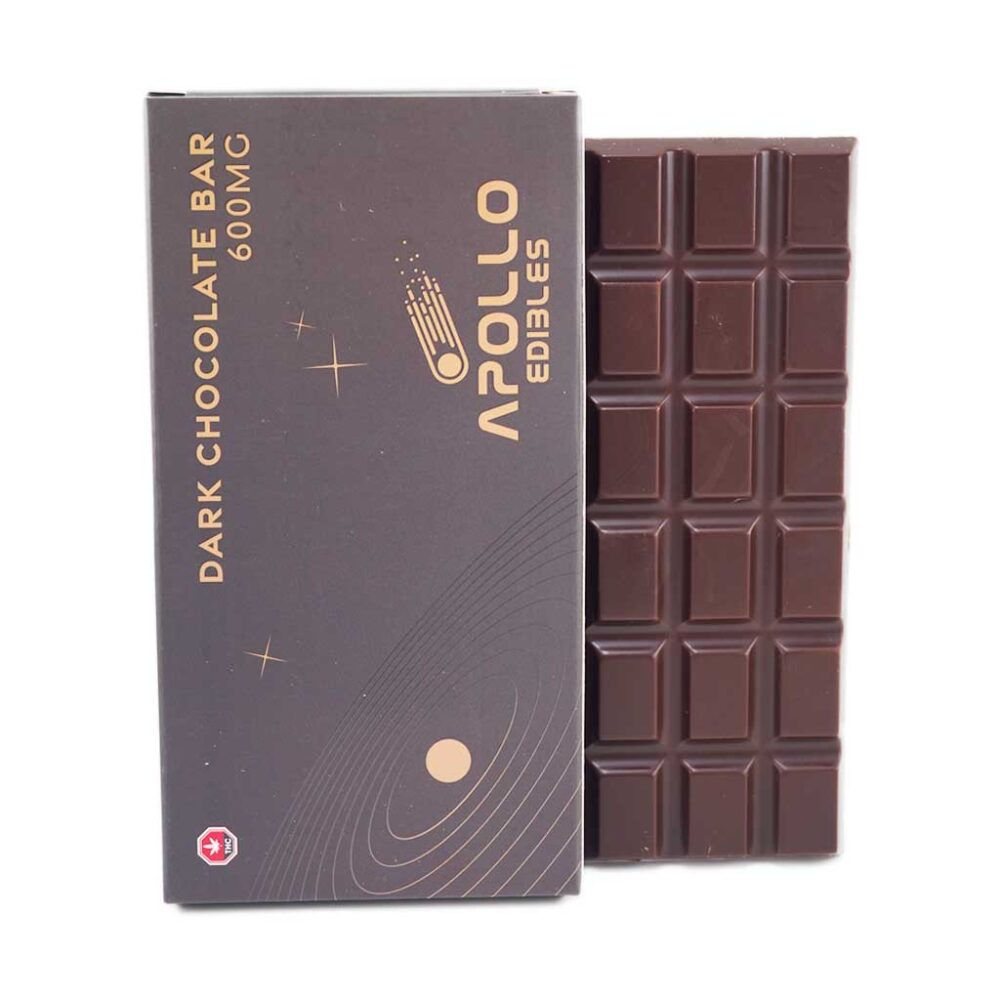
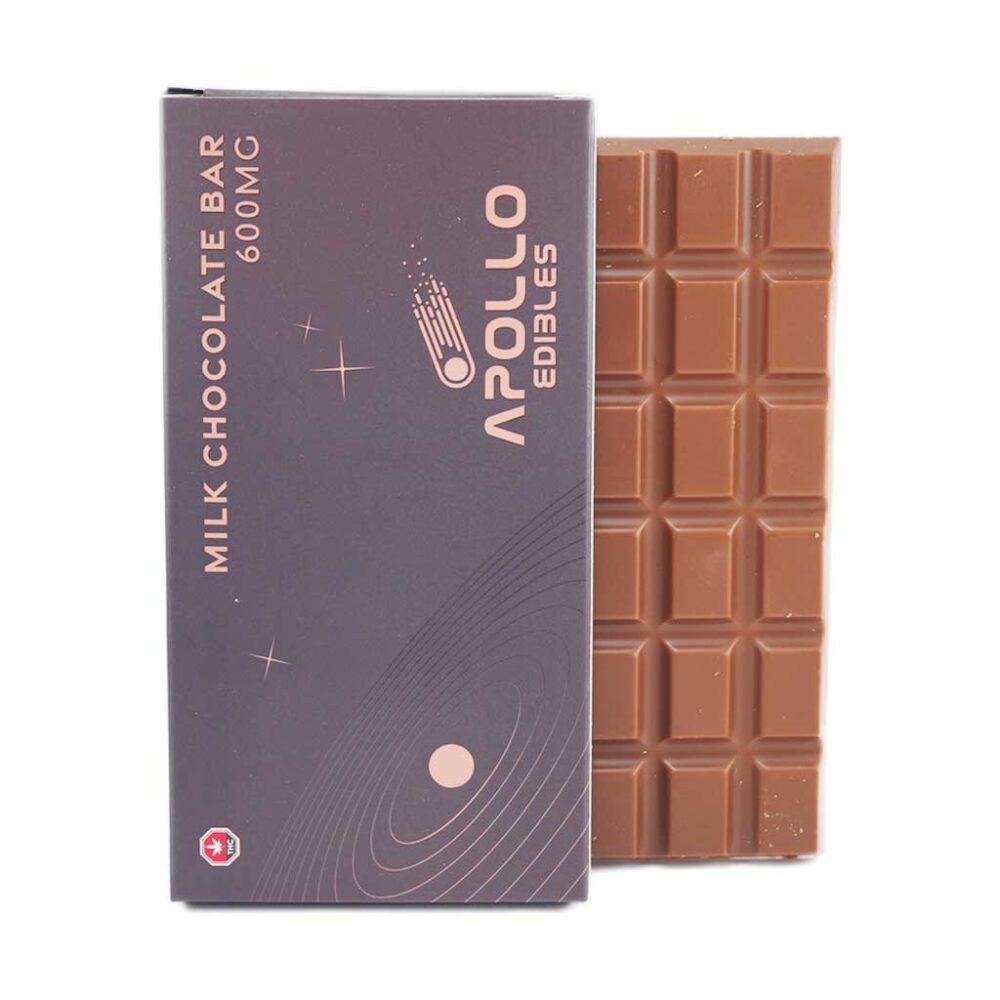
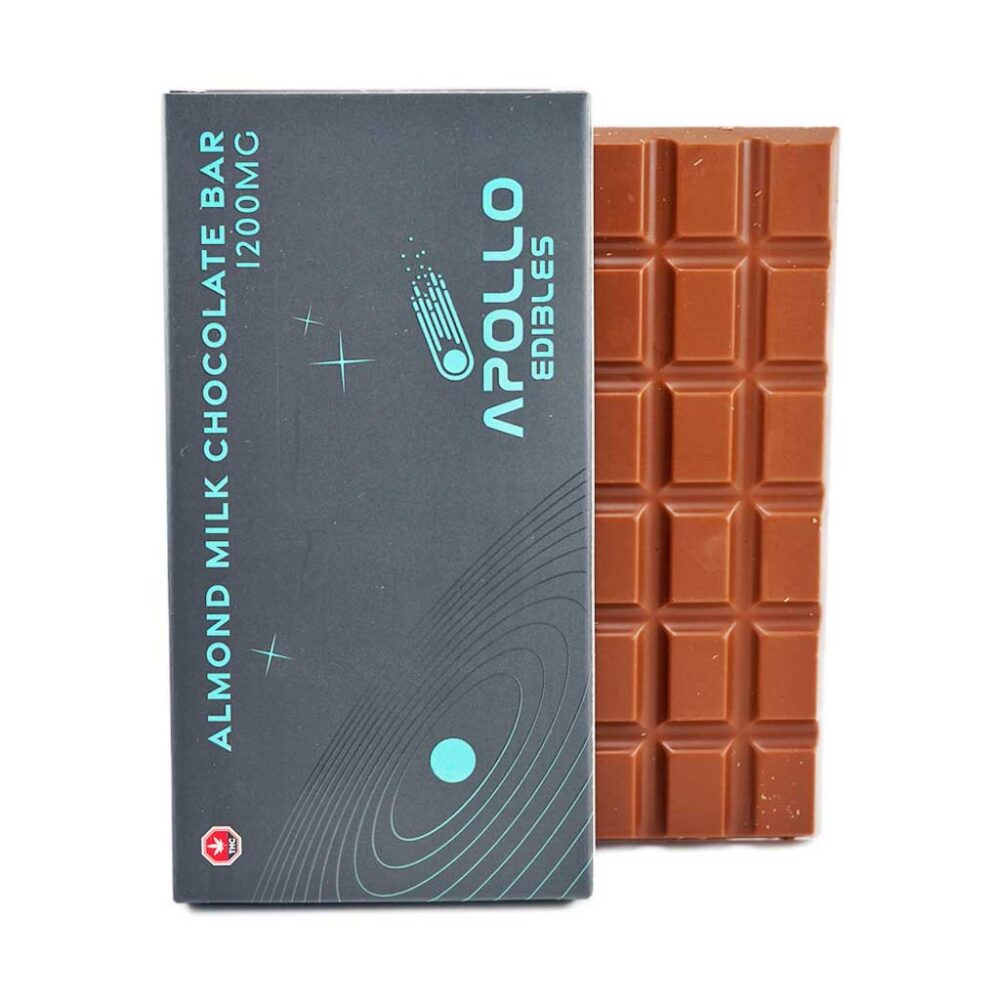
For those who do not want to bake, products like cannabis gummies and cannabis chocolates offer a similar experience without the kitchen work. Gummies are especially popular because they are portable and discreet. Stoney Patch makes a gummy that looks like a fruit snack but delivers a precise dose of THC. Kiva makes chocolate bars that break into squares, each one containing exactly 5 milligrams of THC. These products are great for microdosing or for people who just want a consistent, low-effort edible. But there is something special about biting into a warm, homemade cookie that no gummy can replicate. The texture, the smell, the nostalgia of it all. That is why cannabis baked goods remain a staple of the edible world.
Dosage and Responsibility
The biggest lesson I have learned about edible dosage is to start low and go slow. A standard dose for a beginner is 5 to 10 milligrams of THC. For a cannabis baked good, that might be a quarter of a brownie or half a cookie. Wait at least an hour and a half before eating more. The psychoactive effects of edibles can last six to eight hours, sometimes longer. If you take too much, you cannot undo it. You just have to ride it out. That is why I always recommend keeping some CBD on hand. CBD can help counteract the anxiety that sometimes comes with too much THC. It is not a magic fix, but it can take the edge off.
Kush Station and other online retailers provide detailed information about the THC and CBD content of their products. That transparency is invaluable. It allows you to make an informed decision about what you are putting into your body. Whether you choose a cannabis brownie, a cannabis gummy, or a piece of cannabis chocolate, knowing the numbers helps you avoid a bad experience. The legal market has made it easier than ever to enjoy cannabis baked goods responsibly, but the responsibility still lies with the consumer.
Final Thoughts on a Growing Category
Cannabis baked goods have come a long way since the days of mystery brownies at house parties. They are now a legitimate part of the legal cannabis landscape, with dedicated producers, rigorous testing, and a growing fan base. Whether you buy them from a dispensary, order them online from Kush Station, or make them yourself at home, the principles are the same: respect the science, respect the dosage, and respect the experience. A good cannabis cookie can be a wonderful thing. A bad one can ruin your entire evening. With a little knowledge and a lot of patience, you can make sure you end up in the first camp.
So the next time you see a tray of cannabis baked goods at a gathering, remember that each piece holds a carefully calibrated amount of THC and CBD. It is not just a snack. It is a small piece of chemistry, a bit of art, and a whole lot of tradition. Enjoy it, but enjoy it smart.
Ends · GETCANNABISBAKEDGOODSSPOT